Recent developments in AI recruiting and workplace automation have sparked important discussions on how emerging tools like ChatGPT may be transforming hiring—especially for junior IT roles—and career development within organizations.
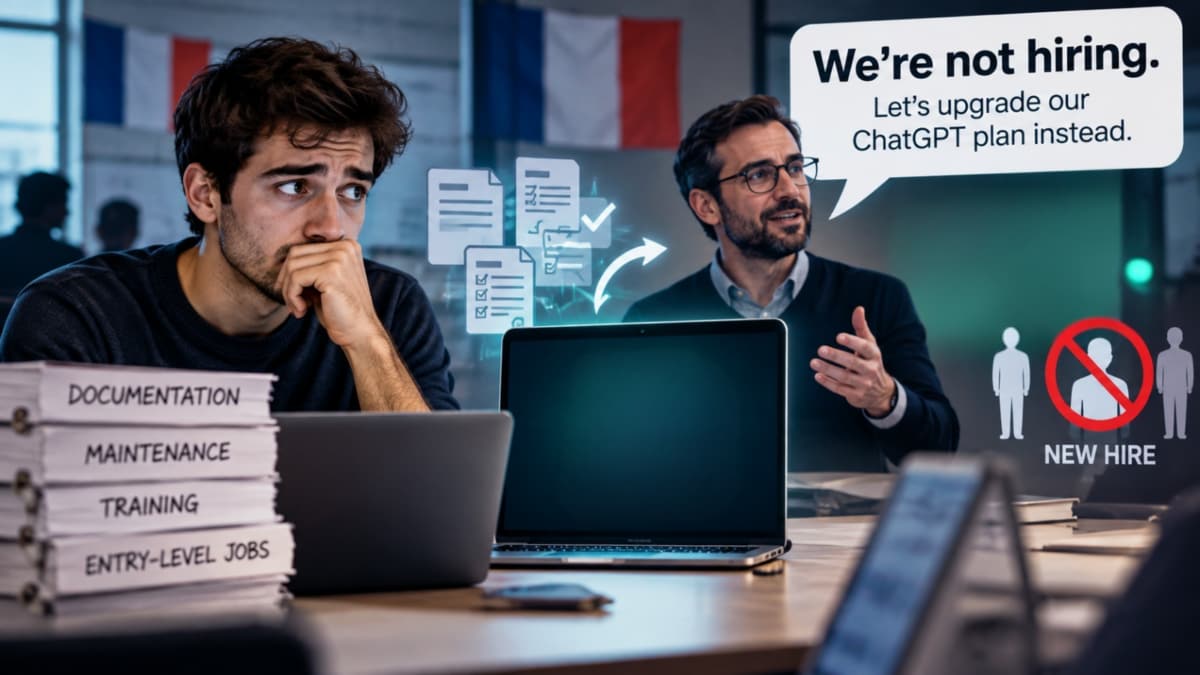
At a small French IT company, a team lead used ChatGPT to successfully complete a delayed project that had remained unfinished for months. Rather than hiring a new junior developer to support ongoing work, the team lead proposed upgrading the team’s ChatGPT subscription to its highest tier. Though this option carries a cost, the lead argued it would be more economical than onboarding a new employee.
This scenario, shared by an employee on Reddit, reflects a broader concern: AI technologies capable of handling routine maintenance, documentation, and system-related tasks might reduce demand for entry-level IT positions. Junior developers traditionally take on such responsibilities, which not only contribute to company operations but also serve as vital training grounds for skill development and professional growth.
The shift raises two key issues for HR and recruitment professionals: how to balance the efficiency of AI-driven automation with the need to cultivate next-generation IT talent, and how this trend might disrupt the conventional career trajectory within tech teams.
Online discussions reveal varying perspectives. Some warn of a potential hiring freeze for junior roles, which could shrink opportunities for hands-on learning and mentoring. Others question whether AI can fully replace human expertise, particularly among senior staff, and highlight the risks of losing the traditional apprenticeship model. Additionally, concerns exist about long-term cost implications, as AI platform subscription fees could increase and may not ultimately be cheaper than human resources.
For HR leaders and hiring managers, these insights emphasize the importance of strategically integrating AI tools without undermining workforce development. While AI can boost productivity and address immediate project needs, organizations should also consider how to preserve career pathways for junior employees. Combining AI capabilities with structured training programs and mentorship could offer a balanced approach, supporting both operational efficiency and sustainable talent growth.
Ultimately, the evolving landscape calls for thoughtful recruitment strategies that reflect AI’s dual role as a powerful assistant and a potential disruptor. By anticipating these changes and aligning hiring practices accordingly, HR professionals can help ensure that AI adoption enhances, rather than hinders, long-term workforce resilience.
Source: News18