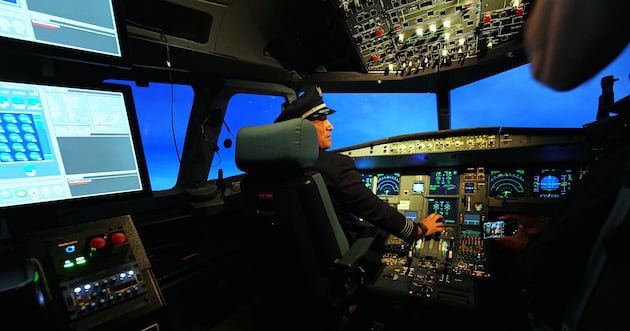
The aviation sector is gearing up for unprecedented growth, with industry forecasts estimating a need for 2.44 million new pilots, cabin crew, and maintenance technicians by 2045. This surge aligns with expanding global air travel, as the passenger count is expected to double to 10 billion annually, pushing the global fleet above 45,000 aircraft. However, this growth comes at a time when artificial intelligence (AI) is beginning to reshape parts of aerospace operations, raising important questions about workforce transformation and the skills required for future roles.
Growing Demand in a Rapidly Expanding Industry
The expansion of smaller urban centers is driving an increase in direct flights between these cities, fueling industry growth even amid challenges like regional conflicts and high fuel prices. Both aviation giants Airbus and Boeing forecast similar workforce needs, emphasizing that a significant portion of hires will replace retiring personnel, particularly in maintenance, where nearly half of certified mechanics are over 60 years old.
Artificial Intelligence Enhancing, Not Replacing, Human Roles
While AI applications in aviation have started assisting with predictive maintenance, crew fatigue management, and air traffic flow optimization, core decision-making tasks remain firmly human. Experts highlight that pilots and controllers will continue to play indispensable roles, making complex judgments during unexpected scenarios. AI serves to augment worker capabilities by providing predictive insights that improve safety and efficiency without supplanting human accountability.
Moreover, recent legislation mandates the presence of two fully qualified and rested pilots on commercial flights, underscoring the industry’s commitment to human oversight. Similarly, despite AI-powered initiatives like the FAA’s SMART system for routing and congestion management, human controllers remain central in airspace management, ensuring aviation safety and responsiveness.
Training the Future Workforce
Meeting the aviation industry’s growing labor demands requires investment in education and training. The FAA’s record hirings for air traffic controllers and mechanic certifications reflect this urgency. However, some training programs face funding shortages and capacity challenges, while others, like Utah State University, report full enrollment and expanded facilities, including new jet simulators and growing program rosters.
Preparing the next generation means equipping workers not only with traditional aviation skills but also with the capacity to collaborate effectively with AI systems. As automation streamlines routine tasks, human professionals will need to interpret AI outputs and make critical safety and operational decisions.
Conclusion
The aviation industry’s projected workforce boom presents both challenges and opportunities. Integrating AI technologies can enhance operational efficiency, yet the demand for highly skilled human pilots, technicians, and controllers remains essential. For HR and recruitment professionals, understanding this balance is key to attracting and developing talent capable of thriving in an evolving, technologically sophisticated aviation landscape.
Source: Salt Lake City Deseret News