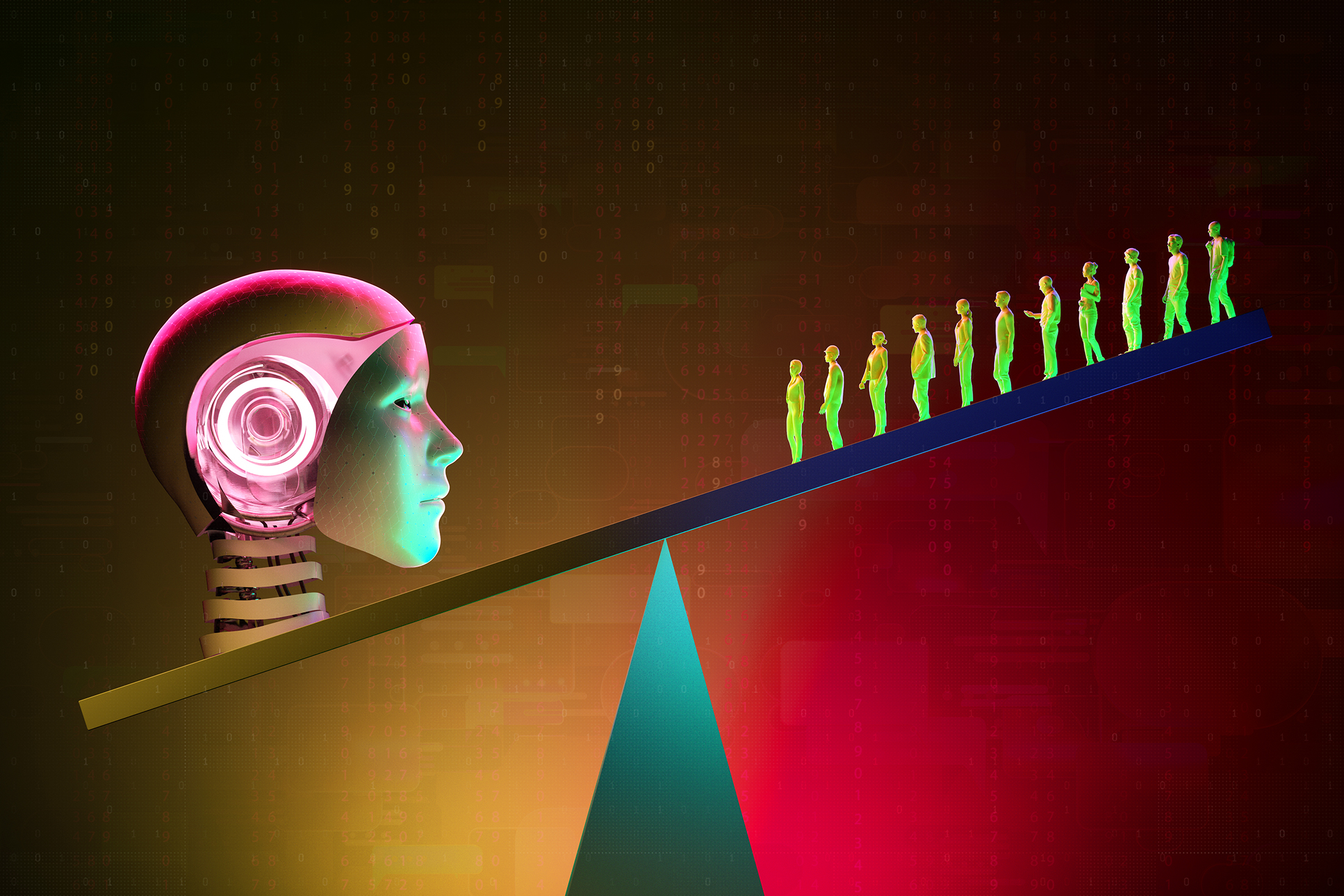
In today’s rapidly evolving work environment, driven by advancements in AI and automation, the traditional benchmarks for hiring — heavily reliant on past experience and specific credentials — are becoming increasingly outdated. Employers need to rethink how they define “qualified” candidates and focus instead on individuals who can grow with their roles as those roles transform.
Historically, hiring managers have favored candidates whose resumes closely match the job description, often emphasizing years of experience performing specific tasks. While experience provides a fundamental understanding, it doesn’t necessarily translate into future success when job duties change under the influence of emerging technologies.
One critical insight from service industries such as commercial cleaning is that strong judgment and ownership often outweigh rigid experience. Employees who proactively address challenges, communicate effectively, and demonstrate situational awareness can adapt to unpredictable environments far better than candidates who simply follow instructions.
Moreover, the concept of learning velocity — an individual’s ability to quickly absorb, apply, and transfer new knowledge — is becoming a key hiring metric. As roles evolve with tools like AI-enabled software, employees must not only keep pace with change but also reinterpret their value, shifting from manual execution to analysis and decision-making.
To assess these qualities, recruitment professionals should incorporate practical scenarios into interviews, asking candidates to explain how they tackled unfamiliar problems and what adaptations they made. This approach reveals critical traits such as curiosity, resourcefulness, self-awareness, and a growth mindset — elements essential for thriving in future roles.
Ultimately, the best hires will be those who are ready to grow with the job, not just perform the job as it existed in the past. For HR teams and recruiters, this means evolving hiring frameworks to emphasize adaptability, judgment, and continuous learning, ensuring their workforce remains resilient and competitive amid technological transformation.
Source: Entrepreneur